

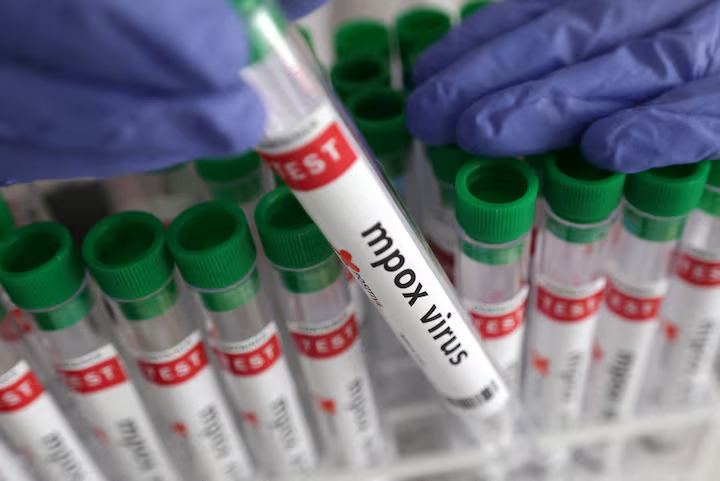
Encouraging progress is emerging from Africa in the battle against Mpox, a public health challenge that, despite recent advancements, still demands global attention. The World Health Organization’s (WHO) designation of Mpox as a Public Health Emergency of International Concern (PHEIC) highlights the necessity of international coordination to contain the virus. However, data from the African continent suggests that efforts are beginning to yield positive results.
In recent months, many African countries have strengthened health surveillance measures, improved diagnostic capabilities, and launched vaccination campaigns. The impact of these initiatives is clear: nations such as Congo, Gabon, Guinea, and South Africa have entered the “control phase,” having reported six consecutive weeks without new cases. Other countries, including Ghana, Zambia, and Zimbabwe, are following this encouraging trend, demonstrating that an integrated approach and collaboration among governments, health organizations, and local communities can deliver tangible results.
Despite these successes, the path to controlling Mpox is not without its challenges. The case of the Democratic Republic of Congo (DRC) underscores the complexities of managing an outbreak in resource-constrained settings. The DRC remains the primary epicenter of Mpox in Africa, accounting for over 80% of confirmed cases concentrated in three provinces: South Kivu, Tshuapa, and Sankuru. Here, logistical difficulties and the lack of adequate diagnostic facilities hinder containment efforts and complicate timely responses to new infections.
To address these challenges, the WHO and its partners have scaled up technical and material support to African governments. Over 2,000 healthcare workers have been trained to manage outbreaks, while expanded diagnostic capacity has led to the distribution of tens of thousands of PCR tests. Simultaneously, targeted vaccination campaigns have been initiated in the most affected countries, including the DRC, Nigeria, and Rwanda. Additionally, an Access and Allocation Mechanism has been introduced to ensure equitable distribution of vaccines, treatments, and diagnostic resources, particularly in areas with the greatest need.
Despite the progress, vigilance remains crucial. Nations with high transmission rates, such as Burundi, Liberia, and Uganda, continue to require urgent interventions to contain outbreaks and protect vulnerable populations. The fight against Mpox demands not only financial resources but also global solidarity that translates into concrete and lasting actions.
Monkeypox poses a significant health challenge that extends far beyond Africa’s borders. Cases of virulent strains reported in Europe, Asia, and North America underscore the interconnectedness of regions and the need for coordinated global interventions. However, the key to success lies in strengthening local capacities in the hardest-hit countries, supporting healthcare infrastructure, and promoting greater awareness among communities.
Africa, despite its limited resources, is demonstrating that containing Mpox is achievable through a collective and targeted approach. The lessons learned from this experience will undoubtedly help prepare the continent—and the world—to face future public health emergencies.


