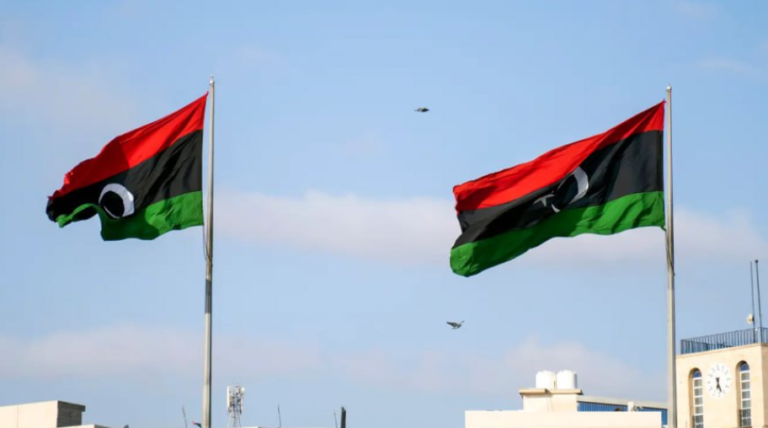
It took months to recover all the remains; only a few could be identified. The report by experts from the United Nations and the International Organization for Migration, obtained by this writer, reveals this and much more about the tragic discovery of several mass graves in Libya. The first contained at least 65 bodies, the latest another 20. Nineteen bodies were discovered in Jakharrah, about 400 km south of the coastal city of Benghazi, while at least 30 others were found in a mass grave in the Alkufra desert in the southeast. The second grave is believed to contain as many as 70 bodies. These are victims of human trafficking and organ smuggling. This news is shocking not only for its brutality but also for what it represents: every missing or dead migrant is a pain that spreads within a family relentlessly searching for answers about their loved ones. The desertification of the hopes of those seeking a better future has turned the Sahara into a vast open-air cemetery.
Last April, another dramatic episode shook public opinion with one of the largest mass expulsions ever recorded from Libya: over 600 Nigerien migrants were deported on a journey described as “dangerous and traumatizing” towards the city of Dirkou, in the Nigerien desert. These people were crammed into trucks, facing not only inhumane conditions but also glacial weather that made their odyssey even more unbearable.
The International Organization for Migration condemned this episode, emphasizing that it is the largest deportation ever to occur in Libya. Thanks to operations orchestrated by Libyan authorities, migrant workers were rounded up in extremely vulnerable conditions for an entire month. During the journey, accounts of fights to secure a spot on the trucks, and falls causing physical injuries and psychological trauma, testify to a systematic brutality that seems unstoppable.
“What has happened is something new,” declared Azizou Chehou of the Alarm Phone Sahara organization, highlighting the unprecedented brutality against migrants. This is not just a change in strategy, but a profound step backward in human rights, an insult to the dignity that should be guaranteed to every individual.
At the root of these tragedies is the European Union’s border externalization strategy. Italy, through the Mattei Plan, has entered into agreements with Libya and Tunisia to limit migratory flows to Europe. Behind these policies lies the desire to prevent migrants from reaching Italian shores, but this comes at the cost of cynical silence regarding the suffering inflicted on these human beings.
David Yambio, spokesperson for the non-profit organization Refugees in Libya, expressed his dismay: “This is Europe’s border policy laid bare. The EU pays to erase migrants, making the suffering invisible.” These words resonate as a powerful indictment, denouncing a logic that prioritizes security costs over human rights.
While Frontex reports a decrease in arrivals in the Mediterranean, that 59% drop doesn’t tell the whole truth. Every life not saved at sea adds to the tragic toll in the desert. Both the Sahara and European policies make no distinctions: men, women, and children continue to disappear, erased by indifference.
The policy of border externalization is not new, but it is becoming an increasingly efficient machine for creating invisible walls. The European Union funds governments that not only fail to respect human rights but also implement torture and violence. Consequently, deportations become part of a migration management strategy where human lives and their stories become bargaining chips.
Dirkou, today, is not just a city in the desert. It is the symbol of a collective failure, a witness to an era where bodies become statistics and dreams become illusions swept away by obtuse and inhumane policies. Until these measures are revised, the Sahara will continue to collect bodies and silences, a silent warning of the inhumanity of a system that uses the desert as a waste bin.
The words of those experiencing the tragedy of migration hang in the air: it is necessary to remember that behind every number, every deportation, and every forgotten body, there is a life, a story, a broken dream. It is time to acknowledge these lives and, above all, to work to ensure that such tragedies never happen again.
This includes decisive intervention in Niger, where a drama has been unfolding for over 300 days in the Agadez camp. Refugees, mostly from Sudan, are protesting the inhumane conditions they are forced to live in.
“No hospital, no school, no food, no liveable environment. We are abandoned in the desert, subjected to arbitrary imprisonment. A refugee was killed inside the center, others suffer unjustified violence. This is the situation in Agadez. Where is the mercy?” This is the denunciation by Yousef Ismail, one of the spokespersons for “Refugees in Niger,” which Focus on Africa supports and amplifies.